A friendship with teeth. A hunger that never sleeps.
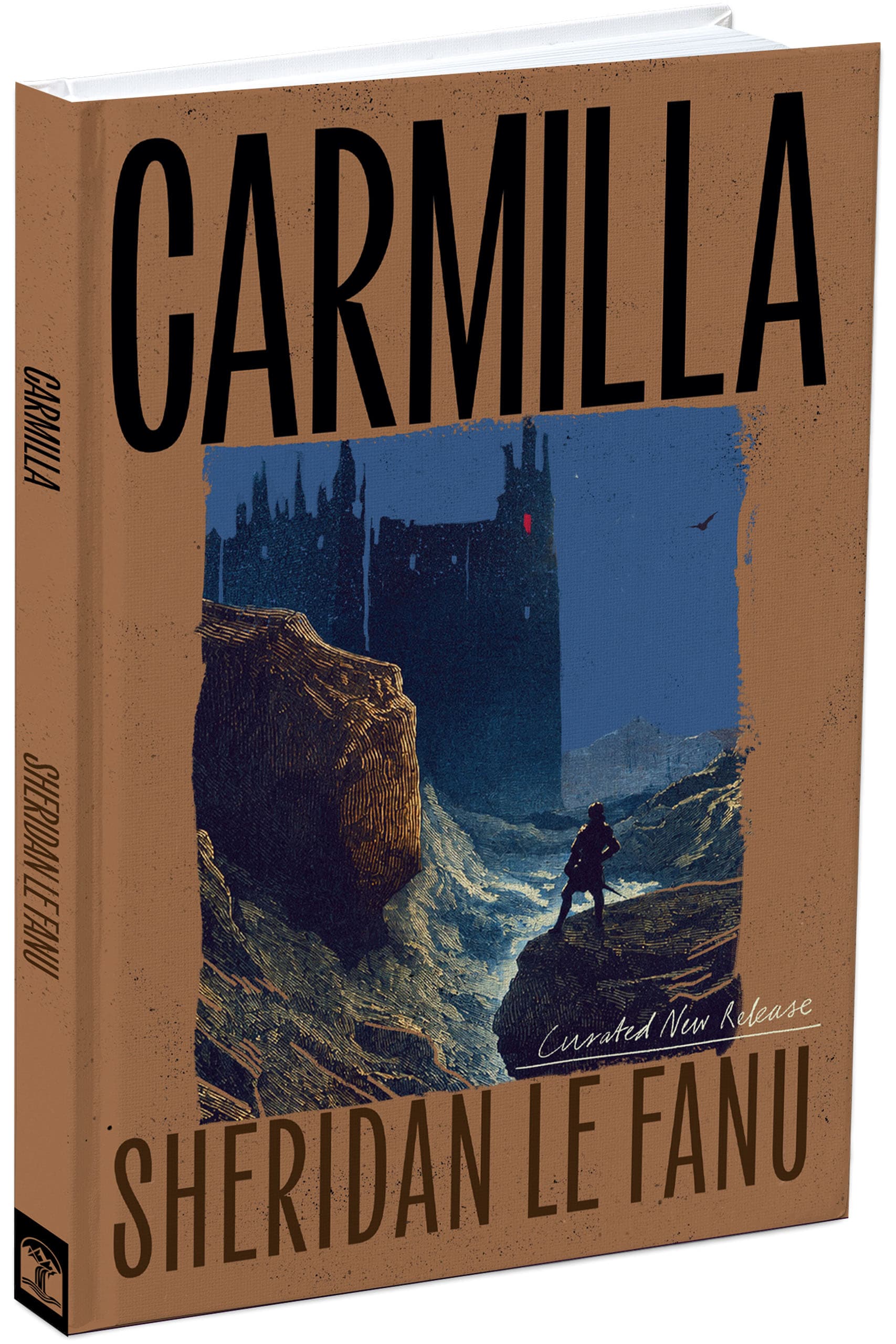
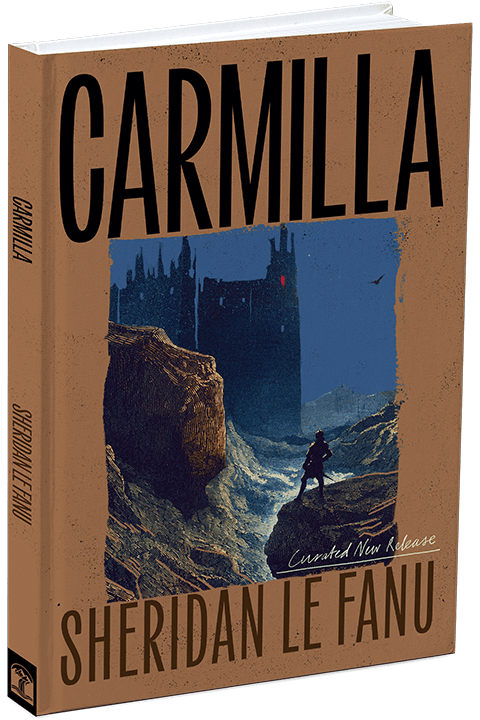
Laura has grown up isolated in her father’s Styrian castle, surrounded by servants and forests but starved for connection. One evening, a carriage overturns near the gates, delivering into her life a beautiful, feverish young woman named Carmilla — and with her, the companionship Laura has always wanted, arriving with a strangeness she cannot quite name.
Carmilla sleeps late, wanders at odd hours, and speaks of love in a language too intense for friendship. Laura is drawn in even as she flinches from something in her guest’s touch, her appetite, and her aversion to hymns and funeral processions passing on the road. Soon, peasant girls of the district begin dying, one by one, wasting from a mysterious illness that leaves them pale, breathless, and haunted by dreams of a beautiful face at the foot of the bed.
Le Fanu’s 1872 novella predates Dracula by a quarter century and shaped the vampire story as readers know it today: the seductive intimacy, the aristocratic predator, the slow contamination of the ordinary household. Told through Laura’s recollection years after the fact, Carmilla lingers less on horror than on longing, and the particular danger of wanting to be wanted.
“Girls are caterpillars while they live in the world, to become butterflies when the summer comes.”