Athens has rules for love. The forest has none.
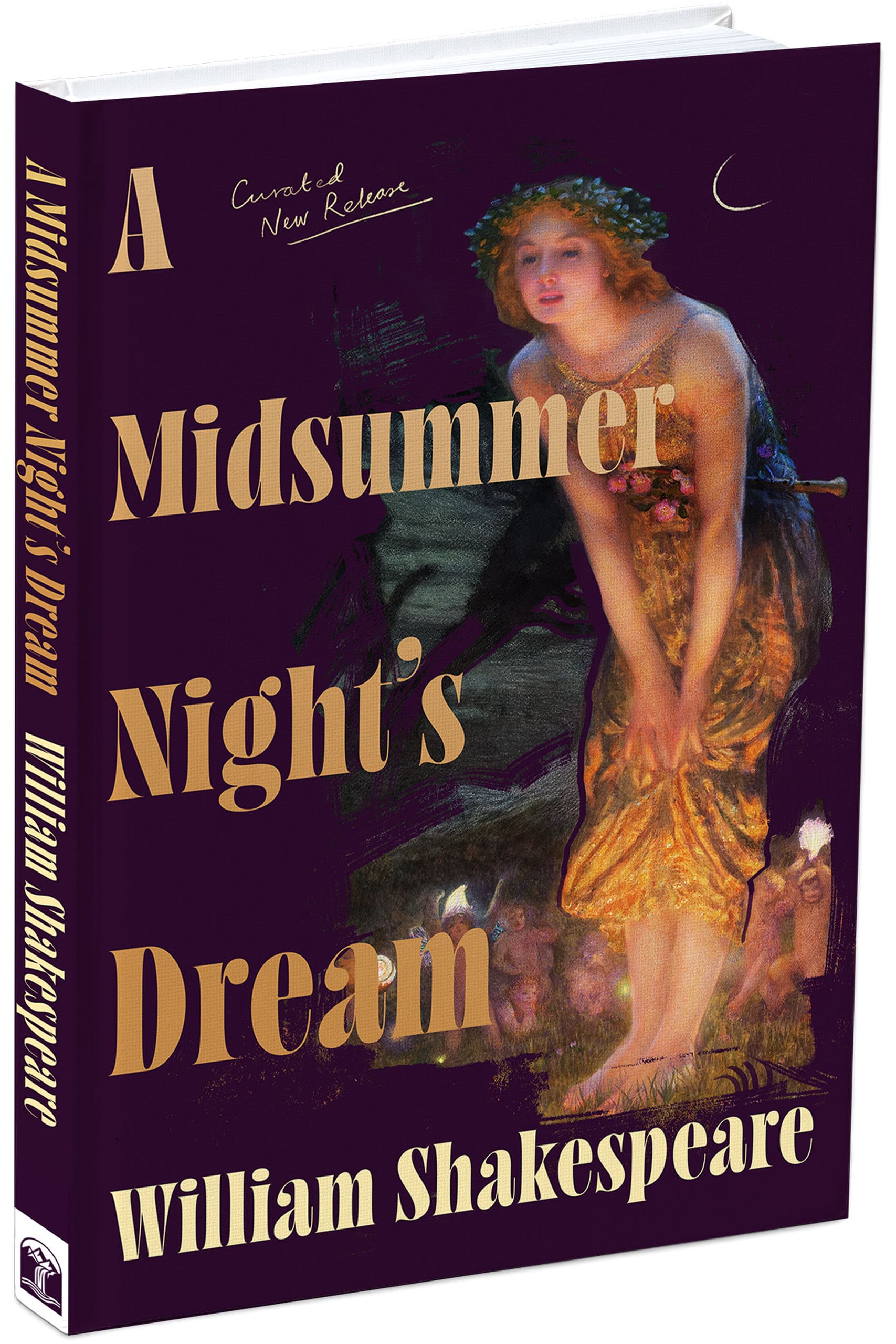
Duke Theseus of Athens is days from marrying Hippolyta, Queen of the Amazons, when the nobleman Egeus arrives with a complaint: Egeus’s daughter Hermia refuses to marry Demetrius, the suitor he has chosen for her, because she loves Lysander instead. Athenian law offers Hermia two choices: obedience or death. She and Lysander agree to flee the city after nightfall to elope. When Hermia’s friend Helena, hopelessly in love with Demetrius herself, hears the plan, she does the one thing guaranteed to make everything worse: she tells him.
That night, Hermia, Lysander, Demetrius, and Helena all end up in the same enchanted forest outside Athens — where Oberon, King of the Fairies, is locked in his own quarrel with his queen, Titania. Oberon sends his mischievous servant Puck to fetch a flower whose juice makes anyone fall instantly in love with the first creature they see. Puck’s aim proves worse than his intentions. Wrong eyelids get anointed, wrong lovers wake infatuated, and by morning every romantic alliance in the play has come undone. Nearby, a troupe of amateur actors rehearsing a play of their own gets pulled into the chaos, and one of them wakes up with considerably more than a new leading role.
A Midsummer Night’s Dream is Shakespeare at his most purely inventive: a comedy built from mistaken identities and ancient forest magic gone awry. Four centuries later, its portrait of love as something closer to enchantment than choice remains one of the most beloved and most performed comedies in the English language.
“Lord, what fools these mortals be!”