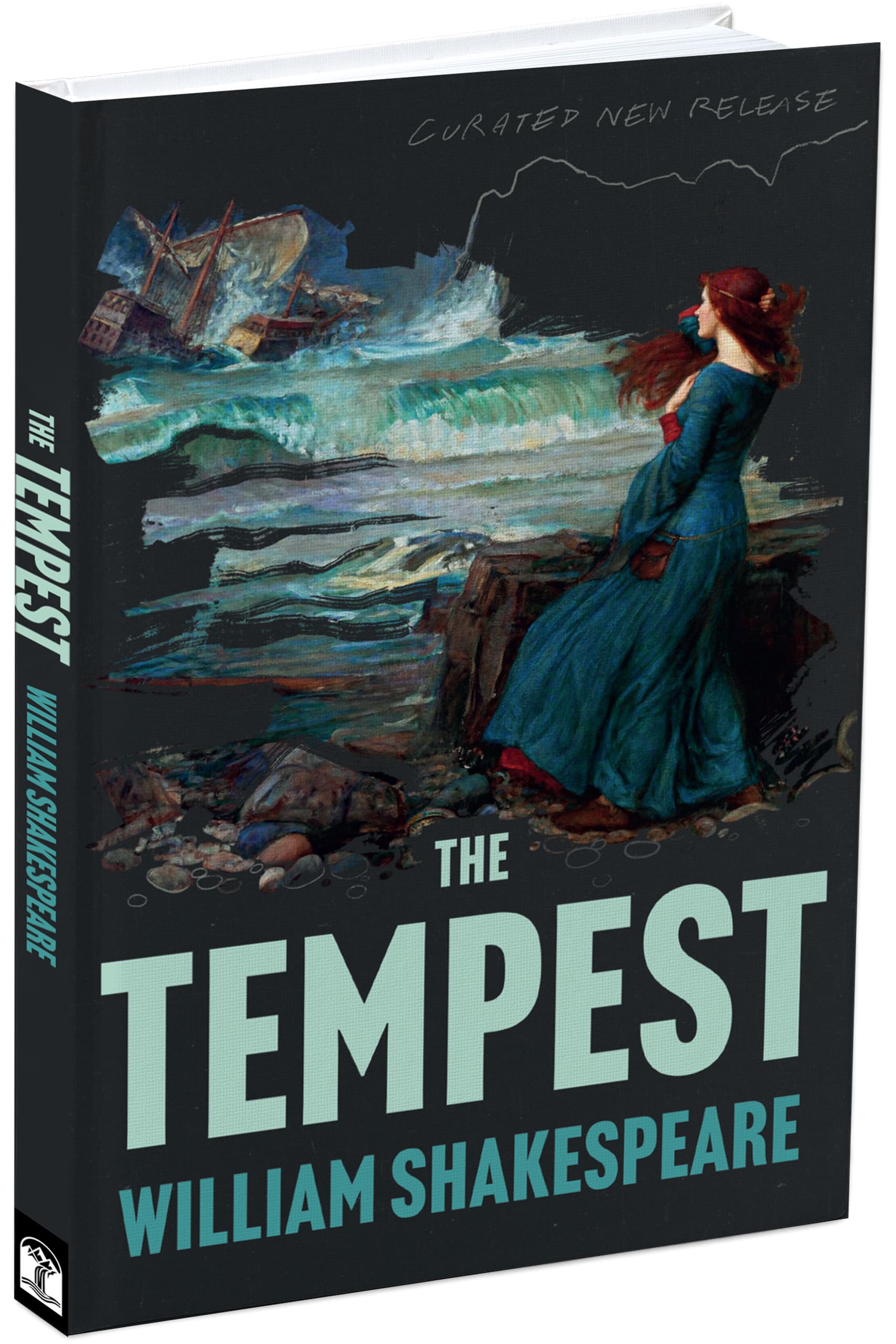
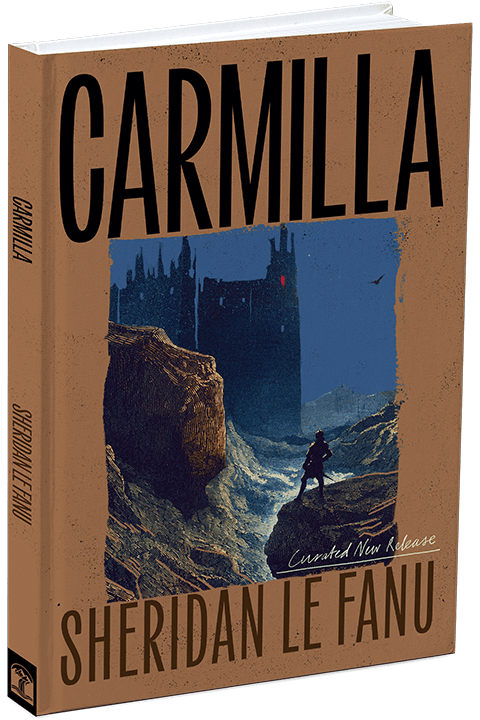
Twelve years of exile. One storm to settle every score.
Once the Duke of Milan, Prospero was deposed and set adrift by his own brother, Antonio, with the help of King Alonso of Naples. For twelve years since, through magic drawn from books smuggled into his exile, he has ruled a remote island, commanding his daughter Miranda, a captive spirit named Ariel, and an enslaved native named Caliban. Now, when a ship carrying both Antonio and King Alonso passes near the island, Prospero casts spells to raise a great storm that drives his enemies ashore, scattered and at his mercy.
Separated by the wreck, the castaways scheme and stumble in equal measure. Antonio and King Alonso’s brother, Sebastian, plot murder before the tide is even dry. Caliban recruits a pair of drunken sailors to overthrow Prospero and seize the island for himself. Ferdinand, Alonso’s son and heir, wanders straight into Miranda’s path, falling in love before he even learns where he is and what he is up against. Prospero watches every thread from the shadows, testing loyalties, engineering encounters, and holding the fate of everyone in his hands.
The Tempest is Shakespeare working at the edge of his own craft, a play thick with illusion, spectacle, and self-aware theatrical magic. Written near the end of his career, it stages a reckoning between power and mercy, asking what an old wrong is worth once revenge finally becomes possible. Prospero’s final choice reveals Shakespeare’s meditations on forgiveness, freedom and the personal sacrifices that make each possible.
“Hell is empty and all the devils are here.”